
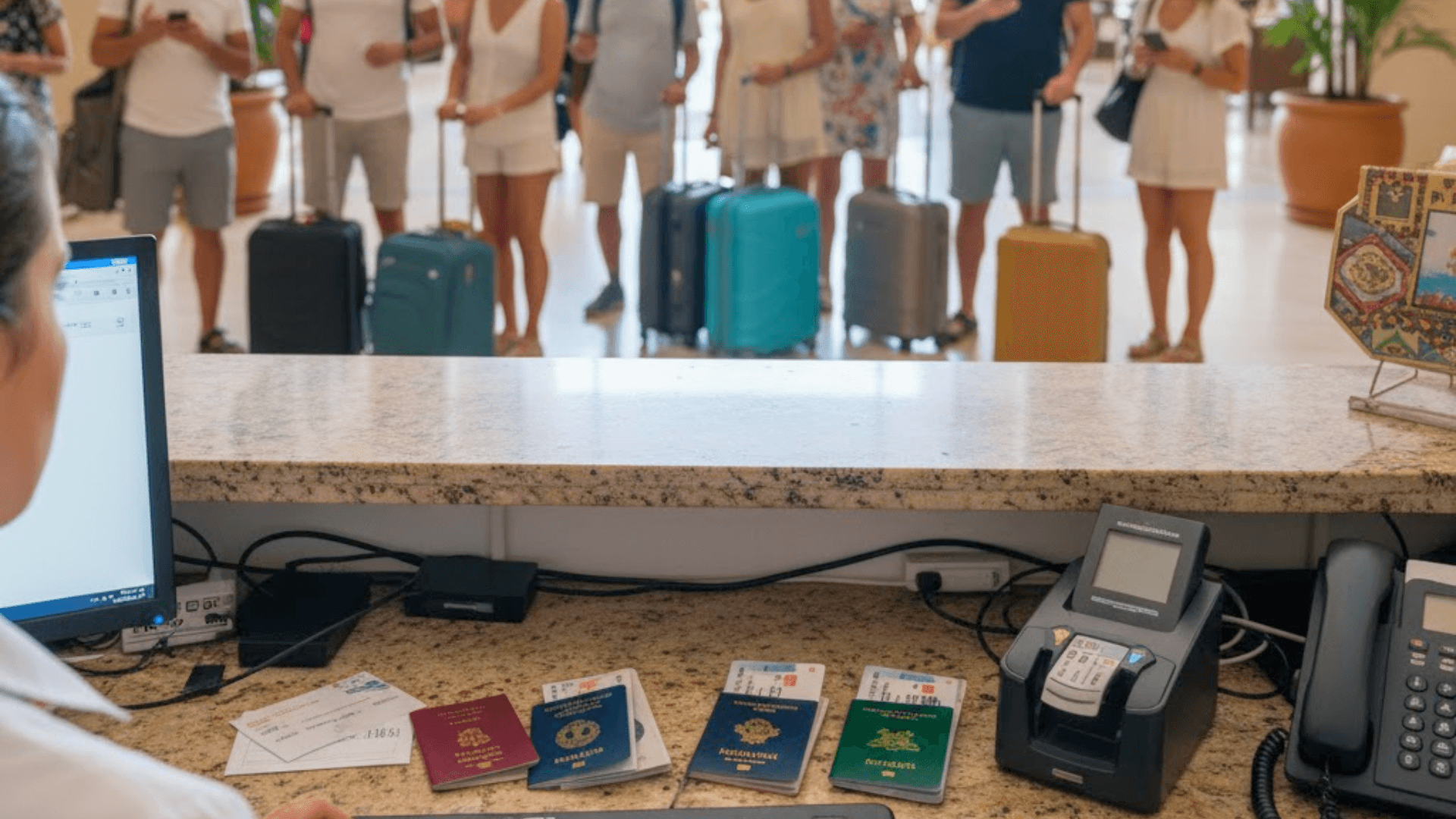
Cyprus Summer Season 2025: What Hospitality Workers Need to Know
Peak season in Cyprus is about to explode. Here's everything you need to know about summer contracts, pay rates, and making the most of the busiest months.
The Text Message That Changes Everything
It's March. Your phone buzzes. "Summer season starting April. Need 50 staff. Interested?"
If you work in hospitality in Cyprus (or you're thinking about it), this text message is your signal: peak season is coming.
For the next 6 months, Cyprus transforms. Hotels, restaurants, and beach clubs go from quiet to chaos. Staffing needs double or triple. And if you play your cards right, you can make 60% of your annual income between April and September.
Here's everything you need to know about Cyprus's summer season — from contracts to pay rates to survival tips from people who've done it.
Understanding Cyprus's Hospitality Seasons
Cyprus hospitality operates on two main seasons:
Peak Season (April - October)
Tourist influx: Over 4 million visitors annually
Occupancy rates: 80-95%
Staffing needs: Maximum capacity
Work intensity: High (50-60 hour weeks common)
Pay: Higher base + tips + overtime
Off-Season (November - March)
Tourist influx: Minimal
Occupancy rates: 20-40%
Staffing needs: Reduced (many hotels close or operate minimally)
Work intensity: Low
Pay: Lower (or no work if contract ends)
Key Insight: Many hospitality workers in Cyprus operate on seasonal contracts that run April-October. Off-season, you either find alternative work, travel, or live off summer savings.
Summer Contract Types: Which One Are You?
1. Seasonal Contracts (April-October)
Who: Most entry-level and mid-level staff (waiters, bartenders, housekeeping, front desk)
Pay: €1,200 - €2,500/month + accommodation (often included) + meals
Pros: High earnings in short time, accommodation covered, clear end date
Cons: No income off-season, no job security, intense workload
2. Permanent Contracts (Year-Round)
Who: Managers, supervisors, senior staff
Pay: €1,800 - €5,000/month (depending on seniority)
Pros: Stable income, year-round employment, career progression
Cons: Still busy in summer, lower pay in off-season, tied to one employer
3. Freelance/Event-Based (As Needed)
Who: Bartenders, DJs, photographers, entertainers
Pay: €100-€300/day (depending on role and event)
Pros: Flexibility, high daily rates, variety of work
Cons: Inconsistent income, no benefits, self-employment taxes
Which Is Best?
It depends on your goals. If you want to maximize earnings and travel off-season, go seasonal. If you want stability and career growth, aim for permanent. If you want freedom and variety, freelance.
Pay Breakdown: What You'll Really Earn
Let's be real about money. Here's what you can expect during summer season:
Waiters/Bartenders:
Base salary: €1,200 - €1,800/month
Tips: €500 - €1,500/month (depending on venue and service quality)
Overtime: €200 - €400/month (common during peak weeks)
Total: €1,900 - €3,700/month
Front Desk/Housekeeping:
Base salary: €1,200 - €1,600/month
Overtime: €100 - €300/month
Total: €1,300 - €1,900/month
Supervisors/Team Leads:
Base salary: €1,800 - €2,500/month
Bonuses: €200 - €500/month (performance-based)
Total: €2,000 - €3,000/month
Managers:
Base salary: €2,500 - €5,000/month
Bonuses: €500 - €1,500/month (occupancy/revenue targets)
Total: €3,000 - €6,500/month
The Math:
A waiter earning €2,500/month for 6 months = €15,000. If accommodation and meals are included, you can save €10,000+ for the off-season.
That's how many hospitality workers fund travel, further education, or living expenses for the rest of the year.
What's Included (And What's Not)
Seasonal contracts often include perks. Here's what to expect (and negotiate for):
Usually Included:
Accommodation: Shared staff housing (2-4 people per room)
Meals: Staff canteen (breakfast, lunch, dinner)
Uniforms: Provided and laundered by employer
Transportation: Some hotels provide shuttle to/from staff housing
Sometimes Included (Ask Before Accepting):
Private health insurance
End-of-season bonus (if you complete the full contract)
Flight reimbursement (for international hires)
Return ticket home (if you complete the contract successfully)
Usually NOT Included:
Off-season accommodation (if you stay in Cyprus, you need to find your own housing)
Travel insurance
Phone/internet
Personal expenses
Negotiation Tip: If you're experienced or have specialized skills (sommelier, mixologist, languages), ask for higher pay, private accommodation, or performance bonuses.
The Reality of Summer Season: What Nobody Warns You About
1. The Hours Are Intense
Summer contracts typically say "40 hours/week." The reality? 50-60 hours is common.
Why? Because hotels are at capacity. Guests are demanding. Staff gets sick. And you're the one covering shifts.
How to Handle It:
Expect long hours upfront (don't let it surprise you)
Track your overtime (ensure you're paid for it)
Use your days off wisely (rest, don't party yourself into exhaustion)
2. Staff Housing Can Be Rough
Shared rooms. Shared bathrooms. Thin walls. Staff housing isn't luxury living. But it's free.
How to Survive:
Bring earplugs and an eye mask
Be respectful of your roommates (you're all in this together)
Spend your free time outside (beach, cafes, etc.)
3. Guests Can Be Difficult
Peak season means busy, stressed, entitled guests. You'll deal with complaints, unrealistic demands, and occasional rudeness.
How to Handle It:
Remember: it's not personal. They're frustrated, not attacking you.
Master the art of "I'll take care of that right away" (even if you can't)
Vent to your colleagues, not to guests
4. You'll Miss Social Events Back Home
Your friends are having summer BBQs. Your family is on holiday. You're working 12-hour shifts. FOMO is real.
How to Cope:
Remember why you're doing this (money, experience, lifestyle)
Build friendships with your colleagues (they become your summer family)
Plan a post-season celebration (you've earned it)
Survival Tips from Seasoned Hospitality Workers
I asked a dozen people who've worked multiple summer seasons in Cyprus: "What's your best advice?" Here's what they said.
"Invest in good shoes. Seriously." — Anna, Waitress
"You're on your feet 10-12 hours a day. Cheap shoes will destroy your feet. Spend €100 on quality shoes. Your back and knees will thank you."
"Learn basic Greek phrases immediately." — Tom, Bartender
"You don't need to be fluent. But knowing basic greetings earns instant respect from locals and Cypriot guests."
"Don't spend all your tips." — Maria, Front Desk
"It's tempting to go out every night. But remember: you're here to save money. Set a budget. Save 60-70% of your earnings. Future-you will be grateful."
"Make friends with the kitchen staff." — James, Waiter
"They control your meal quality. Be nice to them, and you'll eat like a king. Annoy them, and you'll get the scraps."
"Take your days off seriously." — Sofia, Housekeeper
"I used to work through my days off for extra money. Big mistake. I burned out by July. Now I use my days off to rest, go to the beach, or explore Cyprus. I'm happier and more productive."
How to Land a Summer Contract
When to Apply:
Hiring starts in January-February. By March, most positions are filled. Don't wait until April — you'll miss out.
Where to Apply:
Recruitment agencies: Specialize in hospitality placements (like Dart Recruitment)
Hotel websites: Check careers pages for big chains (Hilton, Marriott, etc.)
Job boards: Ergodotisi, Kariera, LinkedIn
Walk-ins: Some hotels hire on the spot (bring your CV and be professional)
What to Include in Your Application:
CV: Highlight previous hospitality experience, languages, and customer service skills
Cover letter: Explain why you want to work in Cyprus and what you bring to the team
References: From previous hospitality roles (managers, supervisors)
Interview Tips:
Be enthusiastic (they want people who can handle the intensity)
Show flexibility (willingness to work weekends, late nights, etc.)
Ask about the contract details (pay, accommodation, hours, end-of-season bonus)
What to Do After Summer Season Ends
October rolls around. The tourists leave. The hotel quiets down. Your contract ends. Now what?
Option 1: Stay in Cyprus (Off-Season Work)
Some hotels stay open year-round with reduced staff. If you performed well, ask about staying on for the winter.
Option 2: Travel
Many seasonal workers use their summer earnings to travel for 3-6 months. Southeast Asia, South America, Europe — you've earned it.
Option 3: Return Home
Go back to your home country for winter. Work part-time, spend time with family, recharge.
Option 4: Chase Summer (Go Southern Hemisphere)
Some hospitality workers work Cyprus summer (April-Oct), then head to Australia/New Zealand for their summer (Nov-March). Endless summer. Endless work. Endless money.
Is Summer Season Right for You?
You'll Love It If:
You want to maximize earnings in a short time
You thrive in fast-paced, high-energy environments
You're young, mobile, and don't mind shared living
You want to travel or save money for the off-season
You enjoy meeting people from all over the world
You'll Hate It If:
You need consistent 9-5 hours
You can't handle high-stress situations
You need privacy and personal space
You expect luxury living conditions
You're not physically fit (it's demanding work)
Your Next Steps
Decide if summer season work aligns with your goals (money, experience, lifestyle).
Start applying in January-February (don't wait until March).
Research employers (check reviews on Glassdoor, ask in Facebook groups).
Negotiate your contract (pay, accommodation, bonuses).
Prepare physically and mentally (it's intense, but worth it).
Ready to apply for summer season 2025? Browse current hospitality openings or book a free consultation with Dart Recruitment. We specialize in placing hospitality professionals in Cyprus's top hotels, resorts, and restaurants. Let's get you ready for summer.
Plan Your Hospitality Season
Prepare for success with these resources:
Recommended for You
From Waiter to Hotel Manager: The Career Path Nobody Tells You About
Think hospitality is just a "gap year job"? Think again. Here's how to build a six-figure career in one of Cyprus's fastest-growing industries.
7 Proven Ways to Build a Thriving Hospitality Career in Cyprus (2025 Guide)
Your dream hospitality career in Cyprus is closer than you think. Discover the 3-phase method that took Maria from unemployment to 5-star resort management in just 6 months—and how you can do it too.